

By Mia Brown
Spokane’s housing market continues its complex shift: modest cooling in prices, experimentation in zoning and development, and steadily growing investment in affordable housing. Here’s what’s happening with homeownership, rentals, and where city planning is steering us.
Home Prices & Market Activity
The median sale price for homes in Spokane recently hovered around $376,000, which reflects a slight decline (about 1–2%) compared to the same period last year. Homes are selling quickly—around 15 days on the market—slightly faster than a year ago, and the volume of sales has increased by more than 6%. These trends suggest steady demand even as prices soften. (Based on data over three months through mid-2026.)
Rentals & Affordability Pressure
Rental rates in Spokane have seen mixed movement: while some months have brought small increases, looking year-over-year they’ve declined modestly—about 5%. The squeeze on affordability continues especially for low- and moderate-income households, driving calls for increased housing supply aimed at those income levels.
Development & Policy Changes
Several major initiatives are underway to reshape Spokane’s housing stock.
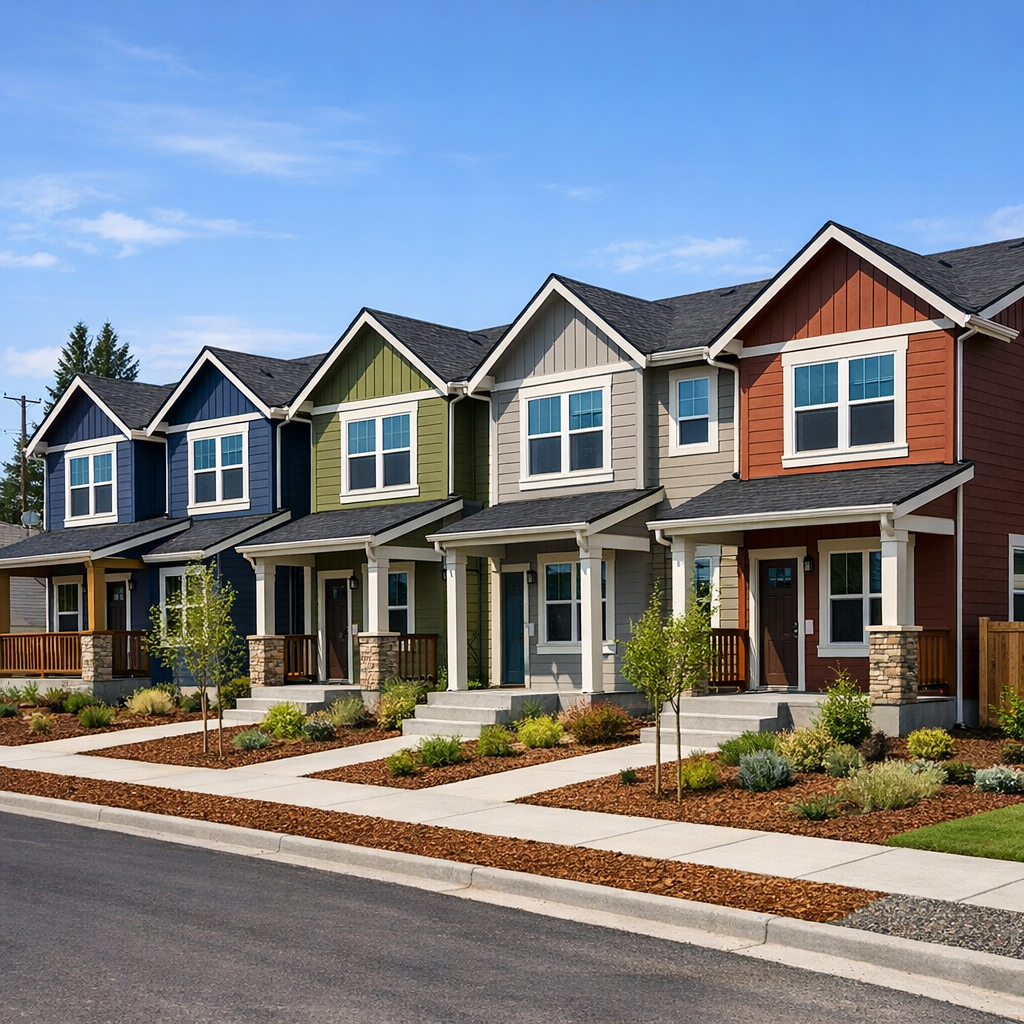
- Building Opportunity for Housing: City code and the Comprehensive Plan have been updated to make middle housing—duplexes, triplexes, fourplexes—more feasible across many neighborhoods. Requirements like lot density minimums and setbacks have been relaxed in many zones. (Changes effective since Jan 1, 2024.)
- Shaping Spokane Housing: Part of Spokane’s broader Housing Action Plan, this effort works on zoning, permit process streamlining, and short-term rental regulations to strengthen housing choice and attainability.
- Affordable Housing Investments: The city and county have awarded multi-million dollar grants to build or preserve hundreds of units affordable at 60–80% of Area Median Income (AMI) or less. Notable among them: the Chalice Place project—85 units serving seniors and persons with disabilities earning under 50% AMI, with construction expected to start in fall 2026.
Implications for Buyers and Renters
Given current trends:
- If you’re looking to buy, act mindfully. Prices are dipping slightly and homes are moving fast. Be prepared with financing and understand neighborhood norms.
- Renters might see some relief in older or less central neighborhoods but should budget carefully—affordable units are still in short supply.
- For buyers and developers interested in affordability or middle housing, Spokane’s evolving zoning and incentive programs—such as tax exemptions and more flexible code for multi-unit properties—are opening pathways.
What To Watch Moving Forward
Key upcoming developments to keep an eye on:
- Completion of major affordable housing projects, such as Chalice Place, and how they impact surrounding neighborhoods.
- Effects of transit-oriented development (TOD) zones, especially near high frequency transit lines, on walkability, housing mix, and densities.
- How county-wide planning to 2046 will shape allocations for affordable housing, growth boundaries, and infrastructure in both Spokane city and surrounding unincorporated areas.
Spokane’s housing scene may be stabilizing, but change is very much underway. For homeowners, renters, and developers alike, the shifting policy and development environment offers both challenges and new opportunities.